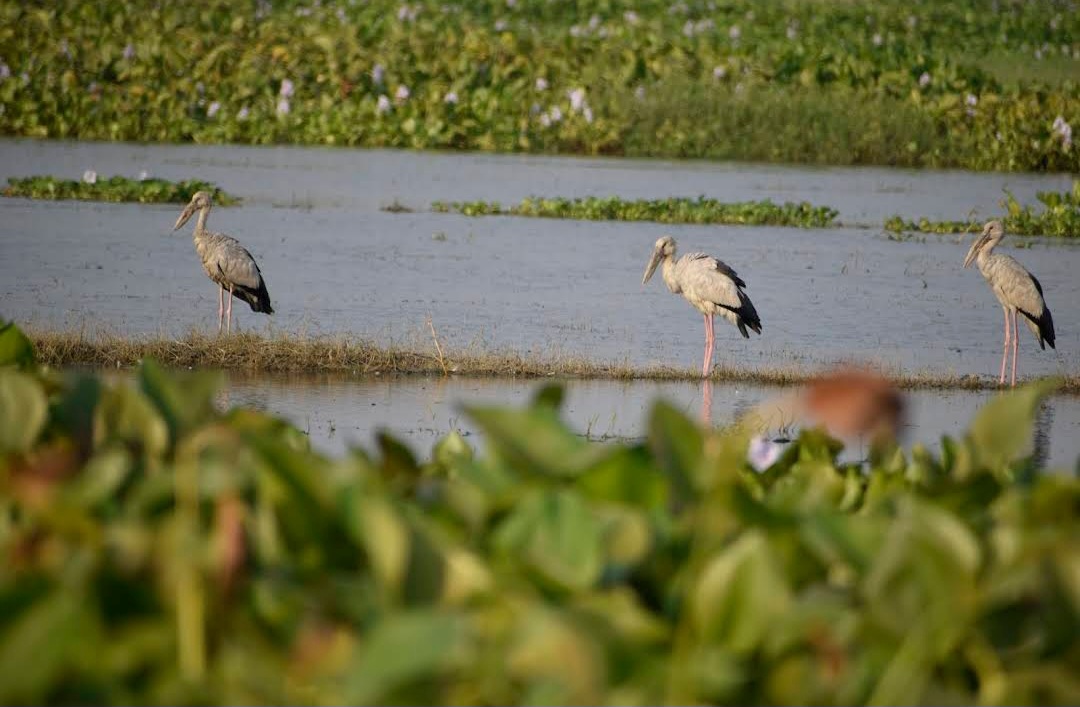
Known for its seasonal arrival of migratory birds, rich aquatic ecosystem, and calm natural beauty, Udhwa has become an important destination for bird watchers, researchers, photographers, and nature lovers. In 2025, the sanctuary received global recognition after being declared a Ramsar Site, highlighting its international ecological value.
“A living wetland ecosystem where water, wildlife, and seasonal migration exist in harmony.”
Ramsar Site Recognition
Udhwa Lake Bird Sanctuary was included in the list of Ramsar Wetlands of International Importance in February 2025. This recognition is given to wetlands that play a vital role in biodiversity conservation, water balance, and ecological sustainability. The Ramsar tag has brought national attention to Udhwa and strengthened the need for long-term conservation of this rare wetland ecosystem.
Ecological Importance
Udhwa is a naturally formed wetland connected to the Ganga river system. It functions as a floodwater storage zone during monsoon seasons and helps maintain water balance in the surrounding region. The lakes, marshes, aquatic plants, and surrounding open land together create a habitat that supports fish, insects, reptiles, amphibians, and many bird species.
Bird Diversity at Udhwa
According to recent bird census observations, Udhwa supports a highly diverse bird population during different seasons. Recorded highlights include:
- 58 bird species documented across seasons
- 18,009 birds counted in recent survey observations
- 16 bird families represented
- 6 threatened species recorded
- Both resident and migratory birds
During winter months, large numbers of birds arrive from colder regions such as Siberia, Central Asia, and parts of Europe. This seasonal movement transforms the sanctuary into one of the most vibrant bird habitats in eastern India.
Notable Birds Found Here
Some of the commonly seen and ecologically important birds include:
- Intermediate Egret (Mesophoyx intermedia) – Manjhla Bagula
- Cattle Egret (Bubulcus ibis) – Gai Bagula
- Indian Pond Heron (Ardeola grayii) – Andha Bagula
- Asian Openbill Stork (Anastomus oscitans) – Ghonghil
- Woolly-necked Stork (Ciconia episcopus) – Lak Lak
- Lesser Adjutant Stork (Leptoptilos javanicus)
- Red-crested Pochard (Netta rufina) – Lalsar Batakh
- Purple Swamphen (Porphyrio porphyrio) – Kharim
- Black-headed Ibis (Threskiornis melanocephalus)
- Bar-headed Goose (Anser indicus)
Birdwatchers visiting in peak season may also spot jacanas, gulls, wagtails, swallows, lapwings, and wetland ducks.
The Twin Lakes of Udhwa
Pataura Jheel
Pataura Jheel covers around 155 hectares and is relatively deeper compared to nearby wetlands. Its calm water surface and surrounding vegetation make it suitable for aquatic birds and nesting activity.
Berhale Jheel
Berhale Jheel, also known locally as Brahma Jamalpur Jheel, covers nearly 410 hectares. It is shallower and rich in aquatic plants, making it ideal for wading birds and feeding flocks. Both lakes remain connected through natural water channels, helping sustain the wetland ecosystem throughout the year.
Flora and Wetland Life
Apart from birds, the sanctuary supports rich aquatic biodiversity. Studies have recorded algae species, floating plants, aquatic grasses, plankton, and macrophytes that form the base of the food chain. This natural vegetation attracts insects, fish, amphibians, and water birds, creating a balanced self-sustaining ecosystem.
Best Time to Visit
The most suitable time to visit Udhwa Lake Bird Sanctuary is from November to March. This is when migratory birds arrive and weather conditions remain comfortable.
- Early morning: 6 AM to 9 AM (peak bird activity)
- Late afternoon: 4 PM to 6 PM (softer light, peaceful atmosphere)
Visitor Experience
Udhwa offers a quiet and refreshing experience for anyone who enjoys nature. Popular activities include bird watching, wildlife photography, nature walks, scenic lake views, and short peaceful excursions. Unlike crowded tourist places, Udhwa remains calm, natural, and less commercial.
Location and Accessibility
Udhwa Lake Bird Sanctuary is located in Rajmahal subdivision of Sahibganj district, Jharkhand. Nearby access points include:
- Barharwa Junction – around 15 to 18 km
- Sahibganj town – around 42 km
- Bhagalpur – around 117 km
- Howrah side rail route via Barharwa
The sanctuary is reachable by road from nearby towns.
Nearby Places to Explore
- Rajmahal Hills
- Farakka Barrage
- Moti Jharna Waterfall
- Ganga riverbank areas
Conservation Status
Udhwa Lake Bird Sanctuary was officially established in 1991 to protect migratory and resident birds. Today it is recognised as:
- Jharkhand’s only bird sanctuary
- Ramsar Site (2025)
- Important Bird Area (IBA)
- Important eastern Indian wetland habitat
Its conservation is supported through forest and wetland management initiatives.
Conclusion
Udhwa Lake Bird Sanctuary is more than just a bird habitat. It is a living wetland ecosystem where water, wildlife, and seasonal migration exist in harmony. For Jharkhand, it represents natural pride. For bird lovers, it offers a rare and peaceful experience. For conservationists, it is a site of growing importance. With global Ramsar recognition and increasing awareness, Udhwa now has the opportunity to become one of eastern India’s most respected nature destinations.