Udhwa Lake Bird Sanctuary – Jharkhand's Hidden Paradise for Migratory Birds
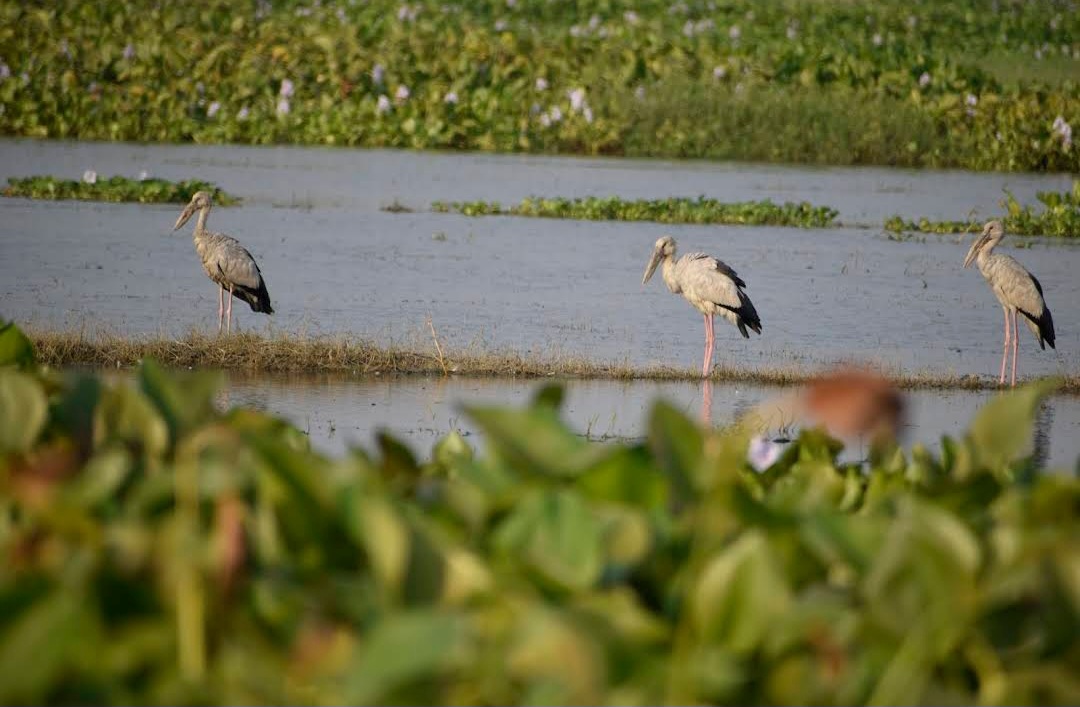
Udhwa Lake Bird Sanctuary, located in the Sahibganj district of Jharkhand, is the state's only bird sanctuary and a true paradise for bird watchers and nature enthusiasts. Spanning across 5.65 square kilometers, this wetland ecosystem is formed by two picturesque backwater lakes of the Ganges River — Patauda Lake and Berhale Lake.
Recognized for its ecological importance, the sanctuary was declared a Ramsar Site on February 1, 2025, highlighting its role as a vital habitat for numerous migratory and resident bird species.
🏆 Ramsar Site Recognition
Udhwa Lake Bird Sanctuary joined the prestigious list of Ramsar Wetlands of International Importance in 2025, recognizing its significant ecological value and contribution to global biodiversity conservation.
Ecological Significance
Udhwa Lake Bird Sanctuary is a naturally formed Ganga backwater wetland, shaped through the oxbow lake concept. It plays an essential role in water regulation, storing excess water during floods and releasing it back into the river. The sanctuary's unique hydrological connection with the Ganga supports a diverse aquatic and terrestrial ecosystem.
The National Mission for Clean Ganga (NMCG) has taken a special interest in conserving and managing this wetland due to its high ecological value and contribution to biodiversity conservation.
Bird Diversity
According to the Asian Waterbird Census (AWC) Report 2024, conducted between January 20–22, 2024, the sanctuary recorded remarkable biodiversity:
The census documented species distribution across different categories:
A total of 18,009 individual birds were observed, including six globally threatened species — making Udhwa one of eastern India's most significant bird habitats.
Prominent Bird Species
Some of the frequently spotted birds include:
During the winter months, thousands of migratory birds arrive here from Siberia, Europe, and other parts of the world, transforming the sanctuary into a lively avian haven.
The Twin Lakes – Patauda and Berhale
🌊 Patauda Lake
Depth: Approximately 2 meters
Characteristics: Relatively deep lake surrounded by lush greenery
Habitat: Offers peaceful environment for aquatic life and nesting birds
🌿 Berhale Lake
Depth: Approximately 70 cm
Characteristics: Shallow lake covered with aquatic vegetation
Habitat: Perfect for wading birds and aquatic species
Both lakes are interconnected by a natural water channel that sustains the wetland throughout the year, creating a continuous ecosystem that supports diverse bird life.
Flora and Fauna
Apart from its avian diversity, Udhwa Lake Bird Sanctuary supports rich aquatic vegetation, plankton, and insect life, providing an ideal feeding ground for birds. The surrounding greenery also shelters small mammals, amphibians, and reptiles, enhancing the area's biodiversity.
🌱 Ecosystem Support
The sanctuary's rich aquatic vegetation and plankton base form the foundation of the food chain, supporting everything from insects to large migratory birds, creating a self-sustaining wetland ecosystem.
Visitor Experience
Whether you are a bird enthusiast, photographer, or nature lover, Udhwa Lake Bird Sanctuary offers a serene and enriching experience.
Activities to Enjoy:
- Bird Watching: Best during early morning and evening hours
- Photography: Capture rare birds, stunning reflections on the lakes, and scenic landscapes
- Nature Walks: Explore the sanctuary's peaceful trails
- Boating: Glide through calm waters surrounded by migratory birds
📅 Best Time to Visit
November to March - When migratory birds arrive and the weather is pleasant. Early mornings (6-9 AM) and late afternoons (4-6 PM) offer the best bird watching opportunities.
Location and Accessibility
- District: Sahibganj, Jharkhand
- Nearest Village: Udhwa (named after Saint Uddhava, a friend of Lord Krishna)
- Nearest Airport: Birsa Munda Airport, Ranchi – approx. 400 km
- Nearest Railway Station: Barharwa Junction – about 15 km
- Connectivity: Well-linked by road with nearby towns and the Rajmahal subdivision
Nearby Attractions
- Rajmahal Hills: A geological marvel with historical significance
- Farakka Barrage: A massive water management structure offering scenic views
- Moti Jharna: A beautiful nearby waterfall ideal for short excursions
Conservation and Recognition
Established in 1991, the Udhwa Lake Bird Sanctuary was created to protect and conserve local and migratory bird species. It is also recognized as an Important Bird Area (IBA) by conservation bodies for its crucial role in avian biodiversity preservation.
Today, it stands as a symbol of Jharkhand's natural heritage and a testament to India's ongoing efforts in wetland and wildlife conservation.
🛡️ Conservation Status
Established: 1991
Ramsar Site: 2025
Important Bird Area (IBA): Recognized
Managed by: Jharkhand Forest Department with NMCG support
Conclusion
The Udhwa Lake Bird Sanctuary is not just Jharkhand's only bird sanctuary — it's a living ecosystem that connects nature, water, and wildlife in perfect harmony. Whether you visit to watch the migratory flocks or to soak in the peaceful beauty of the wetlands, Udhwa offers a truly unforgettable experience for every nature lover.
With its recent recognition as a Ramsar Site, Udhwa Lake Bird Sanctuary has gained international importance, ensuring better protection and conservation for future generations to enjoy this natural treasure.
More Stories You Might Like

Computer Era Mein Skills Ka Mahatva
Essential computer skills everyone should learn in the digital age for career growth and daily life.
Read More
Phone Se Coding Shuru Kare
Learn how to start coding and web development using just your smartphone without a laptop.
Read More